
Portland serves as a quiet backdrop for ushering in a major shift in women’s self-safety with the growing self-defense program initiated. Run by experienced instructors, often with the support of local nonprofit agencies, these programs impart practical skills of striking, situational awareness, mindset training, and confidence building.
In Portland, community-building is something majorly looked at. Free flow discussions at the end of the sessions about people sharing experiences, fears, and strategies surrounding those issues. Programs like these have an outward construction of community connections. Essentially, support structures exist outside the walls of the dojo. A wave of bright young women is pouring inside the class floors, taking public spaces fearlessly through social media, neighborhood newsletters, and various other ground-level activities.
In this blog, we will discuss the Self-defense classes in Portland, Oregon, initiatives advancing women’s protection.
Shifting Paradigms in Self‑Defense
By denoting self-defense as training to put aside perspective, it encompasses all umbrella treatments that deal with the emotional, psychological, and situational factors that have helped foster a more resilient participant.
1. Trauma-Informed Approach
Knowing the causes of trauma and the ways to address them in the teaching environment maintains environment spaces safe and healthy. The traumatized survivor can be assisted to regain their confidence in their bodies and self through trauma-informed practices of facilitation.
2. Situational Awareness and De-Escalation
The student has consultation and identification about an act that may lead to an assault and undergoes techniques that de-escalate such acts to lessen or avoid potential threats.
The Police WomenStrength class in Portland will focus on the concept of waiting with intention, or active waiting coupled with intuition-non-physical tools that mostly nullify violence when properly applied.
3. Inclusive Language & Boundaries
In this kind of training, the use of assertive language with others and verbal boundary-setting for safety is advocated. The importance of consent and assertive communication deals with the enhancement of a person’s ability to halt an uncomfortable situation right at its inception.
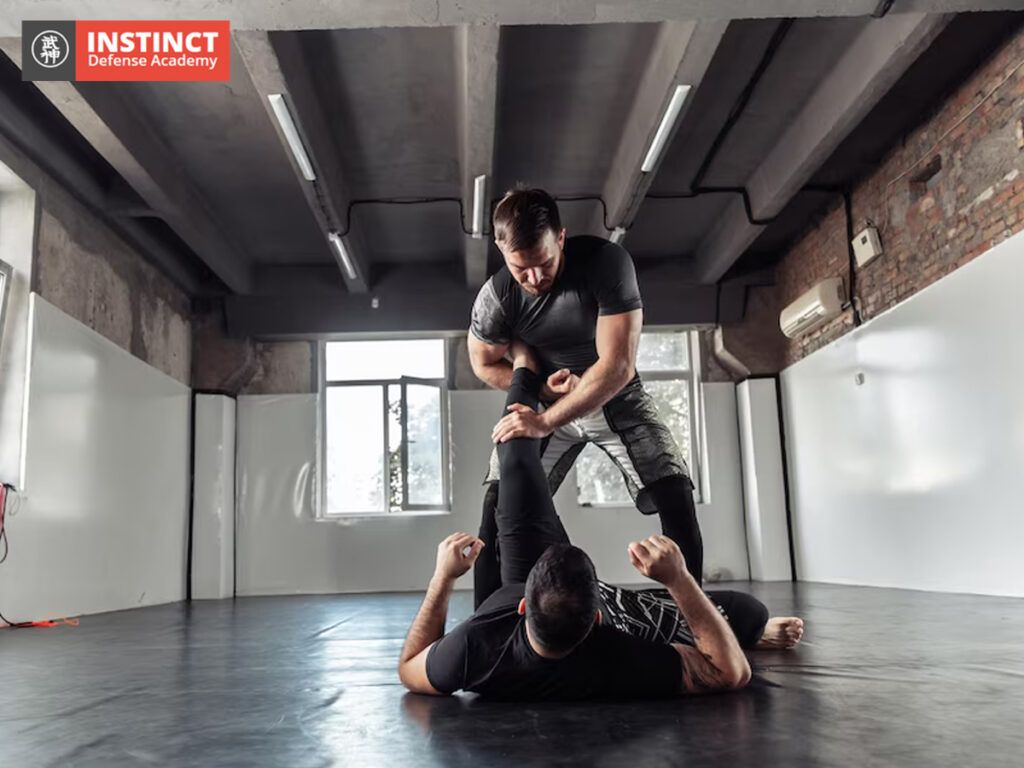
Innovative Curriculum & Training Methods
To effectively train a person in self-defense, every modern program must teach the basics of martial arts through random drills that simulate realistic threats. Skills are acquired through highly immersive, targeted, specialized, and advanced training programs.
1. Mixing Martial Arts with Real‑World Tactics
The techniques are taken from Krav Maga, BJJ, and urban self-defense to keep the training meaningful. One such program, Gracie’s Women Empowered 15-lesson series, teaches the ability to neutralize common physical attacks.
2. Role-play in Realistic Settings
The training methods sometimes involve simulations in public areas like parking lots or transit stops. One With Heart Conversations promotes situational awareness drills and verbal role-play early enough to prepare attendees for real threats.
3. Targeted Strike and Escape Drills
Participants are taught striking and escape techniques that are type-specific and target vulnerable areas. Realistic drills involve full-power strikes using elbows, knees, and attacks on the groin.
4. Progressive Learning Pathways
Certificate achievement is a standard progression-based method, providing participants with growth milestones. The graduates of Gracie may receive the pink belt and join Reflex Development for further training. You will also find Kids martial arts classes in Portland programs following this model—offering younger learners clear certificate-based pathways that build skill and confidence.
Community Building & Peer Support
Empowerment is communal—modern self-defense is not only about solo skills; it is also about supportive networks through whom sharing experiences, encouragement, and after-training contact enhance the experience of personal growth.
1. Women-Led, Women-Centered Spaces
The training should emphasize safe, non-judgemental environments where women instruct—studios such as One With Heart with training-laden compassion and provide space for healing.
2. Building Solidarity Through Shared Experience
The participants of the group achieve solidarity through the common experience of supporting each other. Peer support is carried out through group affirmations and role-play drills.
3. Alumni Networking and Refresher Classes
Many offer refresher classes and alumni meetups to help keep skills honed. Alumni of Women Empowered Jiu-Jitsu take Reflex Development classes for ongoing empowerment.
4. Family-and Inclusive Tourism: A Great Way to Spend Time Together
Portland’s studios excel at organizing events that appeal to a wide diversity of ages and identities. Martial arts self‑defense classes like Empower Her often include free community workshops that pull families together for support and practice.
Accessibility & Inclusivity
The self-defense courses in Portland promote the spirit of inclusiveness and accessibility so that all women, with or without their cultural limitations, might start discovering and growing collectively.
1. Culturally oriented changes in curriculum
The curriculum takes into account a broader, holistic, and equitable approach beyond just the physical tactics. This includes situational awareness, boundaries, consent negotiation, and intuitive decision-making – or just enough flexibility to account for the many cultural and individual differences that exist on the planet.
2. Culturally responsive modifications
The committee recommends adapting the programs according to language or role-play scenarios to ensure that the programs are fully usable by different cultures, with respect for gender considerations and other identity groups (such as LGBTQ+, minority racial groups, or religious groups). Ultimately, the committee envisages a learning environment that is entirely welcoming and rewarding.
3. Multilingual instruction and culturally familiar settings
Several programs provide instruction in two or more languages. They take into account the cultural context of the sites, which include community centers, places of worship, hospitals, and immigrant-led locations. These programs make participants comfortable and connected, increasing the levels of accessibility and trust.
Wrapping It Up
Self-defense courses in Portland, Oregon, are not purely martial arts; it is a social innovation in progress. Incorporating trauma-informed techniques by trapping both practical strategies and emotional empowerment, with a focus on the voices of women and LGBTQ+ populations, and demanding accessibility, they are transforming the way in which personal safety represents the women here in Portland. The initiatives offer hope, and skills lowering barriers in inclusive community contexts make being safe an empowerment and not an isolation exercise.
Instinct Defense Academy is setting a powerful example through its women-centered approach; we embody the revolution in safety training that is evolving in Portland to empower women. Real-world scenarios within and supportive networks beyond the studio mold a community of confident, strong women who move with their skills and strength through every aspect of their lives. Ready to instill a new meaning of elusive safety and confidence in your life? Join us to experience practical and holistic self-defense training while spaces fill fast. Book your first class now!