
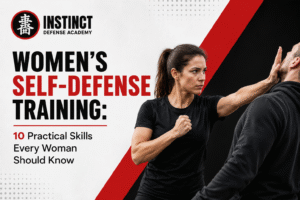
 Women often seek self-defense training not because they expect to face danger every day, but because they want to feel more confident, aware, and prepared in situations that may become uncomfortable or unsafe. Practical training can help women understand how to recognize warning signs, set boundaries, create distance, and respond if someone ignores those boundaries.
If you are searching for Best women’s self defense classes, the most useful program is one that focuses on realistic situations, simple techniques, and confidence under pressure. The goal is not to memorize dozens of complicated moves. It is to build skills that are easier to remember and apply when stress is high.
Why Every Woman Can Benefit from Self-Defense Training
Personal safety is about more than physical strength. Awareness, communication, movement, and decision-making can all play an important role. Training helps women become more intentional about their surroundings and more confident in responding to uncomfortable behavior.
Women may choose self-defense training because they want to:
- Feel more confident when walking alone.
- Improve awareness in parking lots, public spaces, or while traveling.
- Learn how to set firm verbal boundaries.
- Understand practical escape techniques.
- Build physical confidence and fitness.
- Feel less anxious about unfamiliar or uncomfortable situations.
10 Practical Skills Every Woman Should Know
1. Situational Awareness
Awareness means noticing what is happening around you without becoming fearful or distracted. This includes observing people nearby, identifying exits, and paying attention to situations that feel unusual or uncomfortable.
2. Trusting Your Instincts
If a situation feels wrong, you do not need to wait for proof before creating distance. Trusting your instincts can help you leave early, ask for assistance, or move toward a safer environment.
3. Using a Confident Voice
A clear, firm voice can communicate boundaries and attract attention if needed. Practicing verbal commands during training can make it easier to respond confidently in a stressful moment.
4. Creating Distance
Distance can give you more time to react and can reduce the chance of being grabbed. Learning how to move, angle your body, and avoid becoming trapped is an important part of practical self-defense.
5. Escaping Common Grabs
Self-defense classes often teach simple ways to escape from common wrist, clothing, or body grabs. The focus is on using leverage and movement to break free and get to safety.
6. Protecting Your Personal Space
Understanding how close someone is standing and how to maintain a safe reaction distance can help you respond earlier if a situation becomes uncomfortable.
7. Basic Striking Skills
Practical programs may teach simple strikes using natural body mechanics. These techniques are usually presented as a way to create an opportunity to escape rather than to remain in a confrontation.
8. Moving Toward Safety
After creating distance, the next priority is usually to move toward a populated, secure, or familiar place. Training can help you think beyond the immediate moment and focus on getting safe.
9. Responding Under Stress
Stress can make even simple actions feel difficult. Structured training helps students practice skills repeatedly so that they become more familiar and easier to recall when adrenaline is high.
10. Building Confidence Through Practice
Confidence does not come from reading a list of techniques once. It develops through consistent practice, supportive coaching, and seeing yourself improve over time.
How the Empower Her Program Supports Women
The Empower Her program is designed to help women build practical self-protection skills in a supportive training environment. Rather than focusing only on physical techniques, the program can emphasize awareness, confidence, boundary setting, movement, and realistic responses to common situations.
A well-structured women’s safety training program should help participants feel challenged without feeling intimidated. Beginners should be able to learn progressively, ask questions, and build confidence at their own pace.
Benefits Beyond Physical Safety
Many women discover that self-defense training affects other areas of life as well. Learning to use a confident voice, recognize boundaries, and trust your judgment can support stronger communication and self-assurance in everyday situations.
Additional benefits may include:
- Improved confidence and assertiveness.
- Greater body awareness and coordination.
- Better stress management through physical training.
- A sense of community with other participants.
- Increased motivation to stay active and healthy.
When Is the Best Time to Start?
The best time to begin is before you feel that you “need” the skills urgently. Starting in a calm, supportive environment allows you to learn gradually and build confidence without pressure.
Women of many ages and fitness levels can begin training. You do not need prior martial arts experience, and you do not need to be exceptionally strong. A good program should adapt instruction so that beginners can progress safely.
Final Thoughts
Women’s self defense classes can help women feel more prepared, confident, and aware in everyday life. The most valuable training is practical, supportive, and focused on skills that can be remembered under stress.
If you are looking for women’s self defense classes in Toronto, consider a program that teaches realistic personal protection skills while helping you build confidence through consistent practice and supportive coaching.
FAQs
Do I need previous martial arts experience?
No. Women’s self-defense classes are often designed for beginners, and a good program will introduce techniques gradually with clear instruction and support.
What should I wear to my first class?
Wear comfortable workout clothing that allows you to move easily and athletic shoes if the academy recommends them. The school can provide specific guidance before your first session.
Are the techniques difficult to learn?
Beginner programs focus on simple, practical techniques that are easier to remember. Repetition and coaching help the skills become more familiar over time.
Will the class be too intense for me?
A well-run program should allow beginners to progress at an appropriate pace. You should be challenged, but instruction should remain safe, respectful, and supportive.
Can I attend with a friend?
Many women feel more comfortable attending with a friend, and training together can make the experience more enjoyable and encouraging.