
Home / Kids & Preschool Self-Defense
Kids & Preschool Self-Defense Classes That Build Confidence, Not Fear
All parents hope their child will be safe, capable and confident – at school, on the playground and in daily life. This is exactly what our kids self defense program at Instinct Defense Academy is designed to do. We do not teach little children to fear the world. We teach them to come into it head up.
Our children’s self defense classes are specially developed with children’s growth in mind. We can’t teach a 4-year-old the same way as an 11 year old, so we offer two separate classes and tracks (one for preschool and one for elementary school students) rather than one “one-size-fits-all”. So if you are looking for self defense for preschool, self defense lessons for preschool or self defense tips for elementary self defense this page will clarify everything you need to know about this, how a first class is used and the differences between our training and other martial arts training.
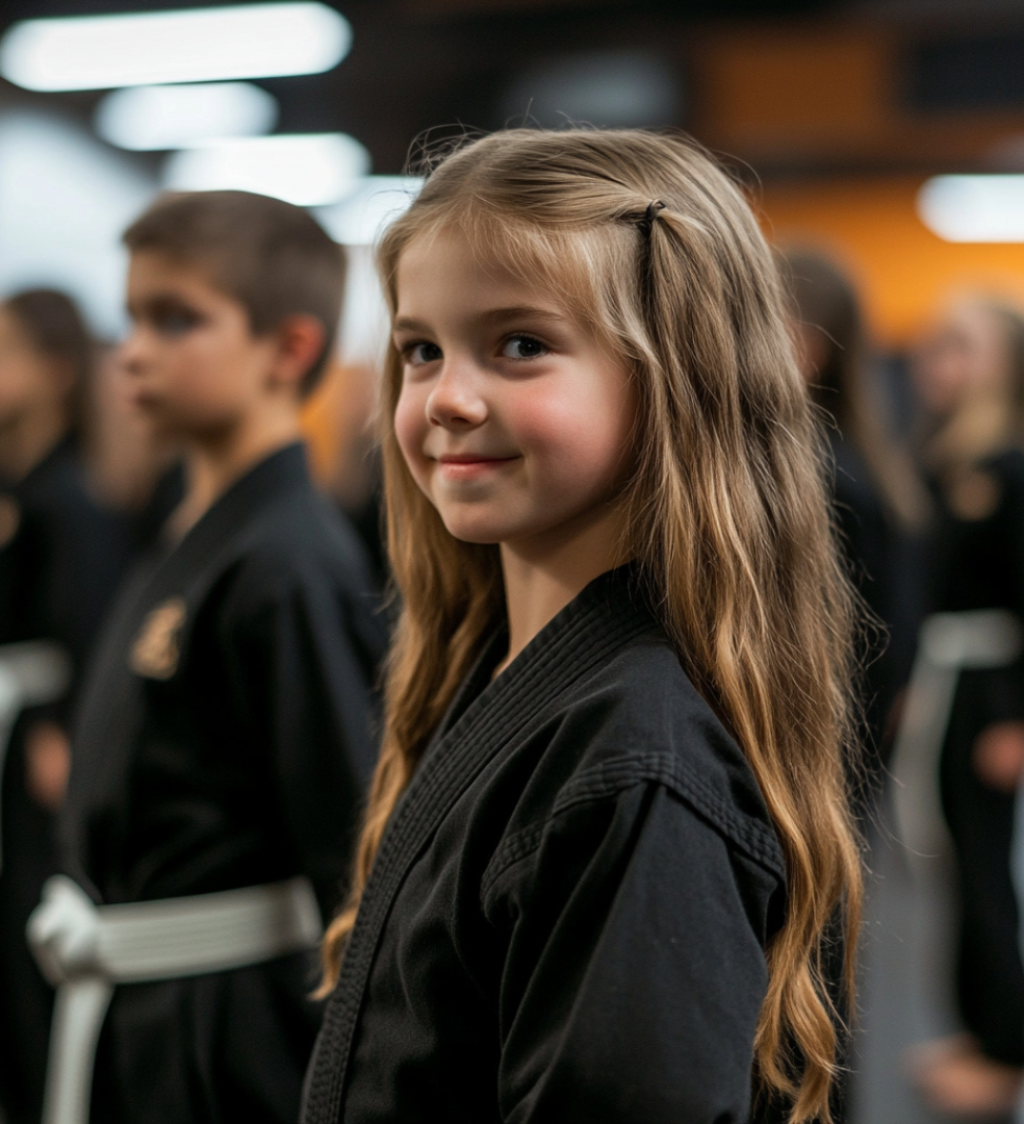
Why Kids Self Defense Matters More Than Ever
Bullying, unexpected encounters with strangers, peer pressures and various accidents are part of every child’s life. Self defense for kids is not about eliminating aggression, it’s about identifying boundaries, awareness and how to respond under extreme pressure in both the body and mind.
Children who participate in structured kids self defense training will demonstrate:
Better sense of the body and co-ordination
Lower levels of anxiety when attending unfamiliar or uncomfortable social function
Better verbal and physical boundaries setting skills
More attention span, focus and listening understanding
A more rational response to a conflict situation rather than panic or freezing up
At Instinct Defense Academy, confidence over trophies, confidence over flashy kicks, it’s all about real, usable confidence, every drill, every game, every lesson.
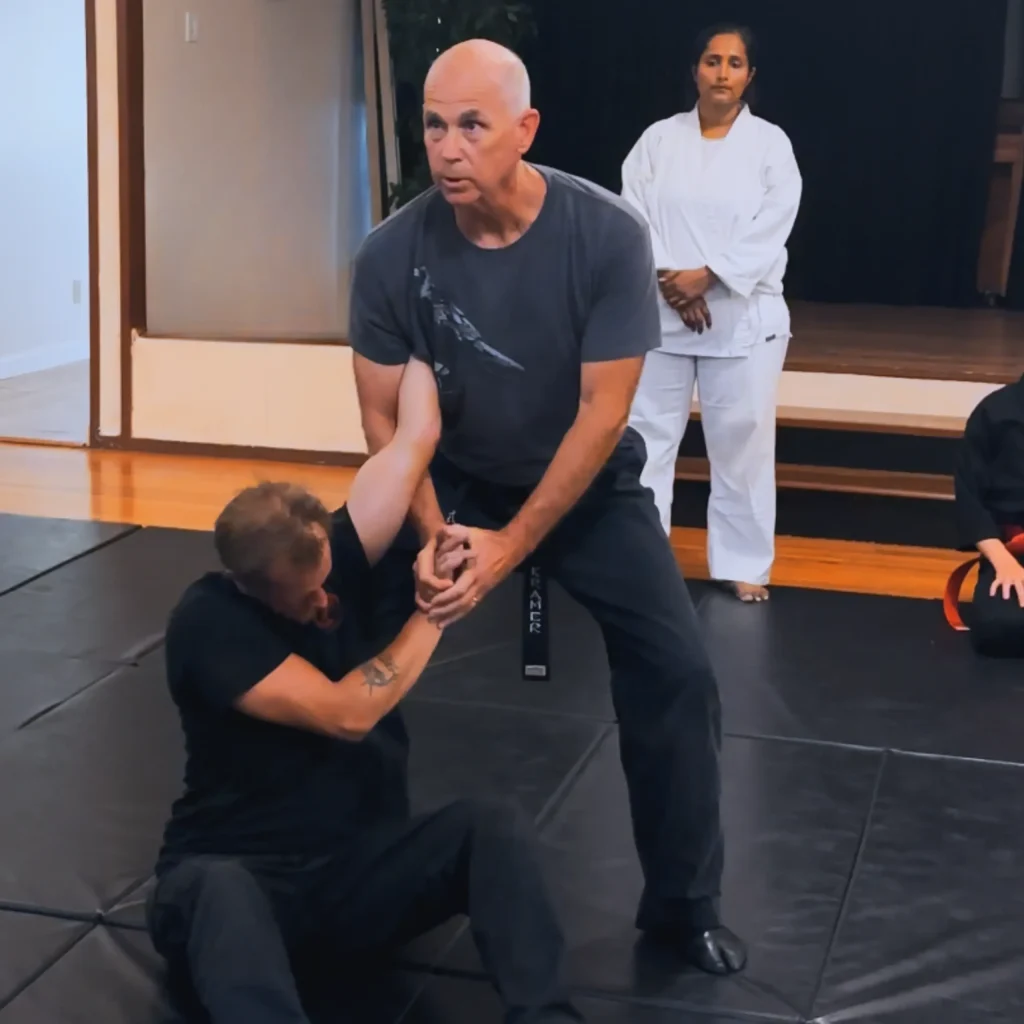
Our Philosophy: Confidence Over Fear
Many worried parents are concerned that self defense classes could make their children more nervous or aggressive. It is a legitimate worry – that’s why our plan is what it is.
We avoid scare tactics and worst case scenarios – particularly with our younger children. Rather, each kids self defense lesson begins and ends with play, encouragement, and the achievement of little victories. After a fun game exercise where a child can start a ‘No, stop!’ start or during a partner’s exercise where the child learns to break away from a gentle grab, they walk away feeling capable and not frightened.
This is the difference between Instinct Defense Academy and many of the other self-defense courses: we instill the skill before the confidence. Hesitation is a by-product of fear-based teaching. The use of confidence-based teaching will foster instinct – as we see advertised in our name.
Self Defense Training Adapted by Age
These two different age groups, a preschooler and fifth grader are very different, and so we have divided our program into two programs of its own.
Preschool Self Defense (Ages 3-5)
We teach virtually all the basic skills that we teach in a preschool self defense class through movement, songs and games. At this age, children aren’t ready for complex technique – they’re ready to build:
- Basic body awareness (stance, balance, using their voice)
- Simple boundary setting words such as “stop” and “my space”
- Knowing safe and unsafe touch in an age appropriate manner
- Taking turns and following directions, controlling impulses
- Motor skills that develop early on such as stepping back, turning away and creating distance
All self defense programs for preschool are short, high-energy and fun exercises taught by instructors with special training in engaging young children. All sessions are open to parents and many preschool sessions feature a ‘show and tell’ when children can share anything that they learned that day.
Self Defense for Elementary Students (Ages 6-12)
Children are equipped to engage in more structured kids self defense class and are beginning to absorb more technique, with reinforcement of confidence. This program covers:
- How to escape from wrist grabs, bear hugs and holds
- Verbal de-escalation and assertive communications
- Situational awareness (recognize unsafe situations before they get out of hand)
- Basic striking and blocking skills in physical conflict situations
- Anti-bullying strategies – what to do if you feel teased or bullied and how to respond without freezing up
Because these tips on self-defense for elementary school children are delivered gradually, in stages, each one building on the previous, kids acquire the skills each week or month of instruction, not just one night and forget by the next.
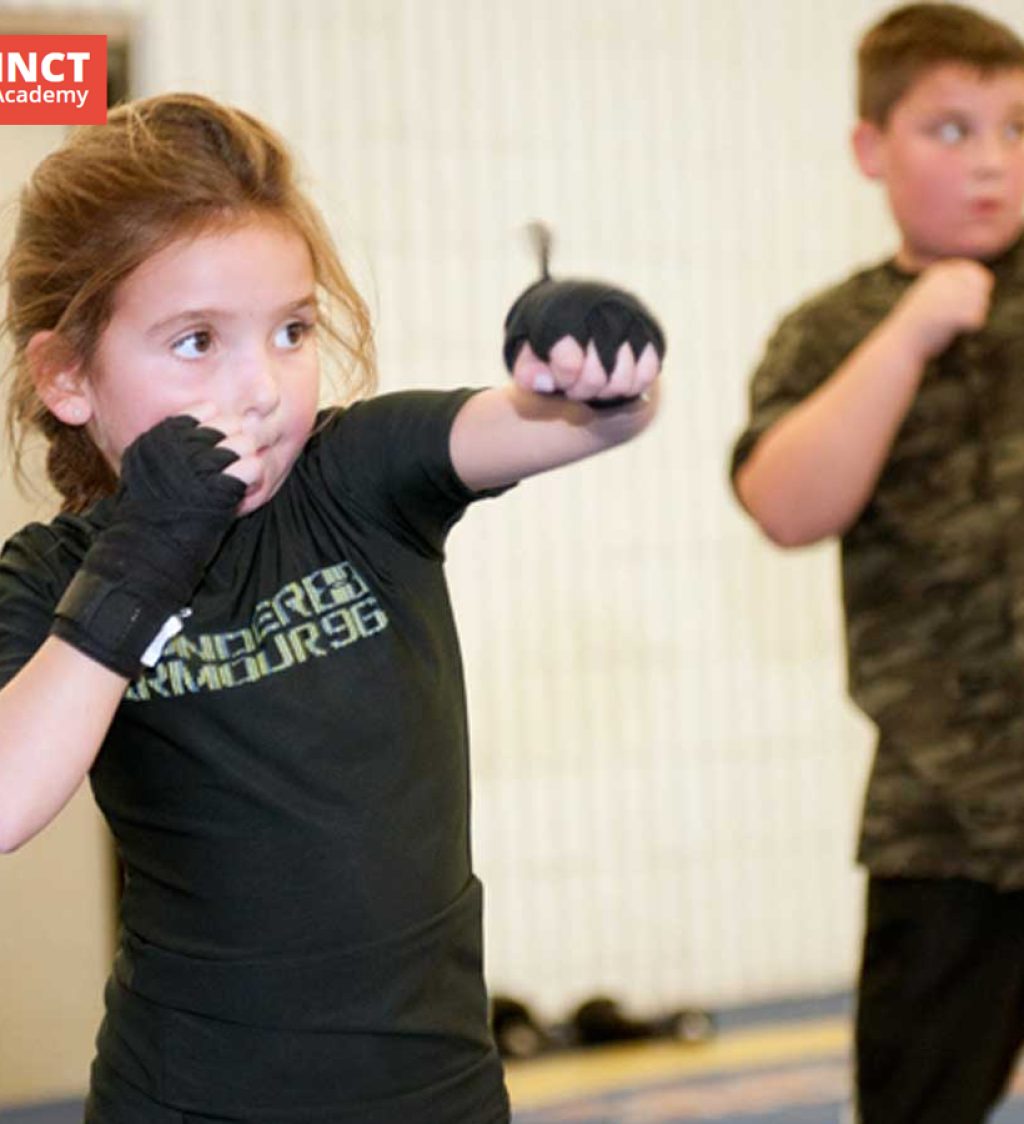
What to Expect in Your Child's First Class
Our first impression can be daunting for both parents and children when they walk through the door of a new class for the first time. A first visit would take the following form:
- Check-in Warm welcome. Your child will be greeted by name and brought by an instructor to the room so he or she learns to feel comfortable first before anything else.
- Light warm-up games. Activities to build energy and get kids moving, without pressure or intimidation.
- Skill introduction. One very simple thing, such as creating distance or a loud voice is explained and rehearsed in pairs or small groups.
- Guided practice. The teachers move around and correct very gently and encourage each child personally.
- Cool-down and recap. There is a brief Summary at the end of the Classes to let kids (and parents) know what they learned.
Parents are always invited to tarry and watch, particularly for our pre-school self defense classes. We would like to give every child’s family the opportunity to experience the participation first-hand, not second-hand.
What Makes Our Kids Self Defense Program Different
Not all kids self defense programs are the same. Many gyms just reduce their adult martial arts program to one designed for kids, which can be monotonous, frustrating, or too difficult with techniques for a small child’s coordination and concentration.
The principles of Instinct Defense Academy are unique by means of the following:
- Not age adjusted, but age engineered curriculum. We did not shrink an adult class, we developed one for preschool and one for elementary.
- Child development skills are taught to instructors, not only in the martial arts skills.
- Classes are kept small to ensure individual correction and encouragement.
- Progress is monitored and parents are informed of measurable progress through each term.
- Building confidence is a part of every drill, it does not just occur as an afterthought.
This is the reason our kids’ self defense classes work so well after class – kids bring the skills from the class to the school and classroom and into social life.
Kids Self Defense Classes at Instinct Defense Academy
We have the complete course including:
- Preschool Self Defense (Ages 3-5) – Playful, Basic, Parent Friendly
- Elementary Self Defense (Ages 6-12) – Skill-focused, Confidence building, Structured program
- Observe that small groups are used to provide appropriate and individual attention
- Classes taking place at flexible times to accommodate busy family schedules
- Clear, family pricing no long term contracts.
If your child is just starting to explore the world outside the home or if he or she is facing new challenges of elementary school socialization, we have just the class track for him.
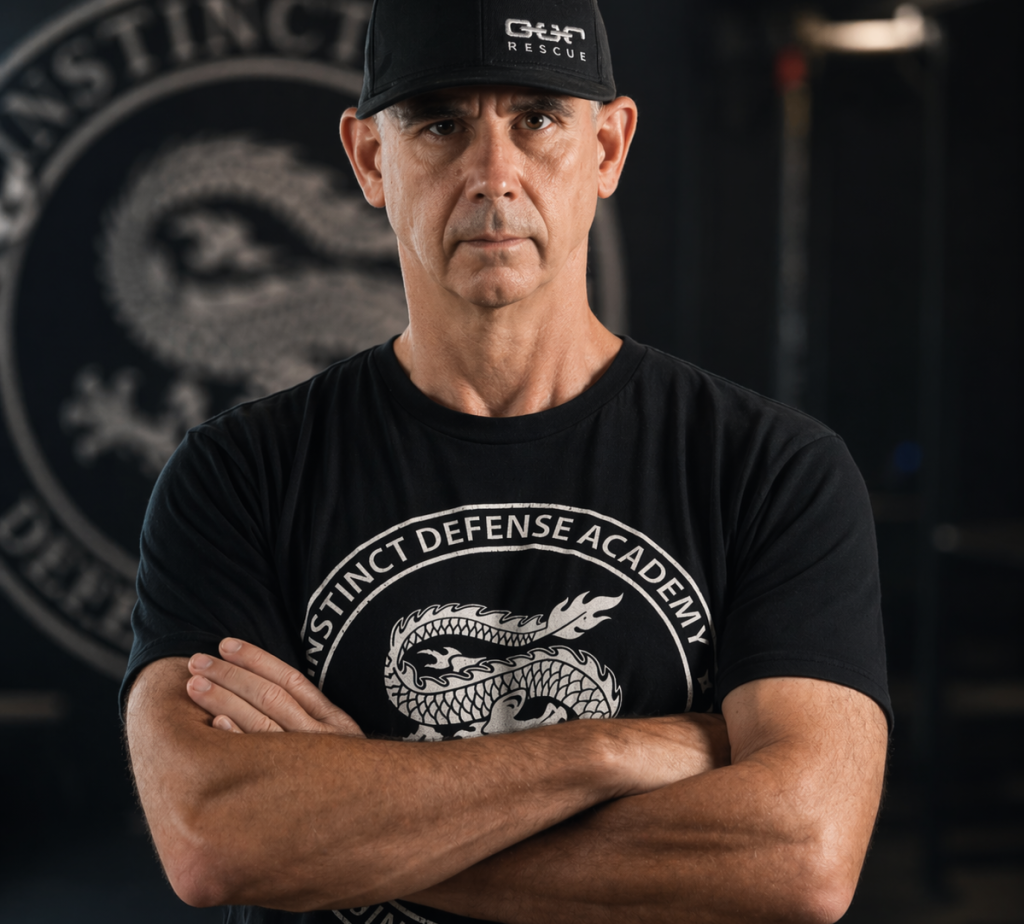
Real Skills for Real-Life Situations
Young children can actually learn self defense skills-we are often asked. The truthful answer is yes, if the training involves playfulness and repetition and is age-appropriate. Much like riding a bike, or learning to swim, children learn self defense training through repetition and muscle memory, not memorization. Hence the reason why we would prefer for the individual to be continually in the course each week, month and year, as compared to one afternoon workshop, so that confidence is achieved over weeks, months and years, not one afternoon.
Ready to Get Started?
Don't give your child confidence, build his or her confidence - one class at a time. Check out our class selection, session times, and determine what works for your family's schedule.
Frequently Asked Questions
1. At what age can my child start self defense for preschool?
Most children can participate in our preschool program from the age of 3 or so when they can follow simple group directions and do short activities. The self defense lessons for the Preschool age have been tailored to this age group's attention span and motor skills.
2. Is kids self defense training safe for young children?
Yes. Drills are non-contact or very light-contact, and are closely supervised by instructors who have been trained in the safety of children and early-childhood development. One of the most important aspects of any kids self defense class is safety.
3. What's the difference between preschool and elementary classes?
Preschool self defense involves play orientated setting boundaries, awareness and basic motor skills. Elementary students are introduced to our program through structured techniques, situational awareness and self defense tips such as simple escapes, and anti-bullying techniques.
4. Do you offer a trial class before enrolling?
Yes. We suggest that you attend one introductory session before starting a children's self defense course, to see the quality of teaching, before completely committing.
5. How often should my child attend kids self defense classes?
Once or twice weekly is advised for optimum benefits. Rhythm is the thing which makes a fun activity everlasting confidence and physical skill.
6. Will this make my child more aggressive?
No - one of the most common misconceptions about children's self defense classes. Everything we do is based on confidence and sensible decision making-not aggression. Children are taught when and how they can use their skills in a responsible way, only as a last resort.
7. What should my child wear to their first class?
For our preschool and elementary sessions, sportswear and closed-toe shoes are encouraged.