How to Start Self-Defense Training: A Complete Beginner's Guide
So if you’ve hit this page by typing “how to learn self defense” in Google, you are in that category of people who thought for a second before taking action. You do not need to have any martial arts background, a certain body type or any number of years to train until you are “good enough” to start taking self defense classes. It needs the sense of first step, the right time for the class, the right coach who plays in the real world, not for trophies.
We’ve been taking total beginners from here at Instinct Defense Academy in Bethany, Portland since 1991. Here’s the step-by-step process that we take every new student through – so you can start self defense training with confidence, not guesswork.
Step-by-Step: How to Start Self-Defense Training

Get clear on why you're starting
Everyone's trigger is unique - maybe you were frightened walking home alone at night, maybe you want to see your children being well protected, maybe you feel more confident after a frightening encounter, or maybe you just want to feel less vulnerable. Your "why" will determine which class is right for you (that we will discuss below).
Choose practical over sport
It's the one most important that beginner self-defence takers can make. Martial Arts for sport are point and rule martial arts and can be cut based on weights. The practical self-defense training is designed for the street - there are no rules, no referee and no size matched opponent. In seeking protection meaningfully, find a school that plainly states it provides it.
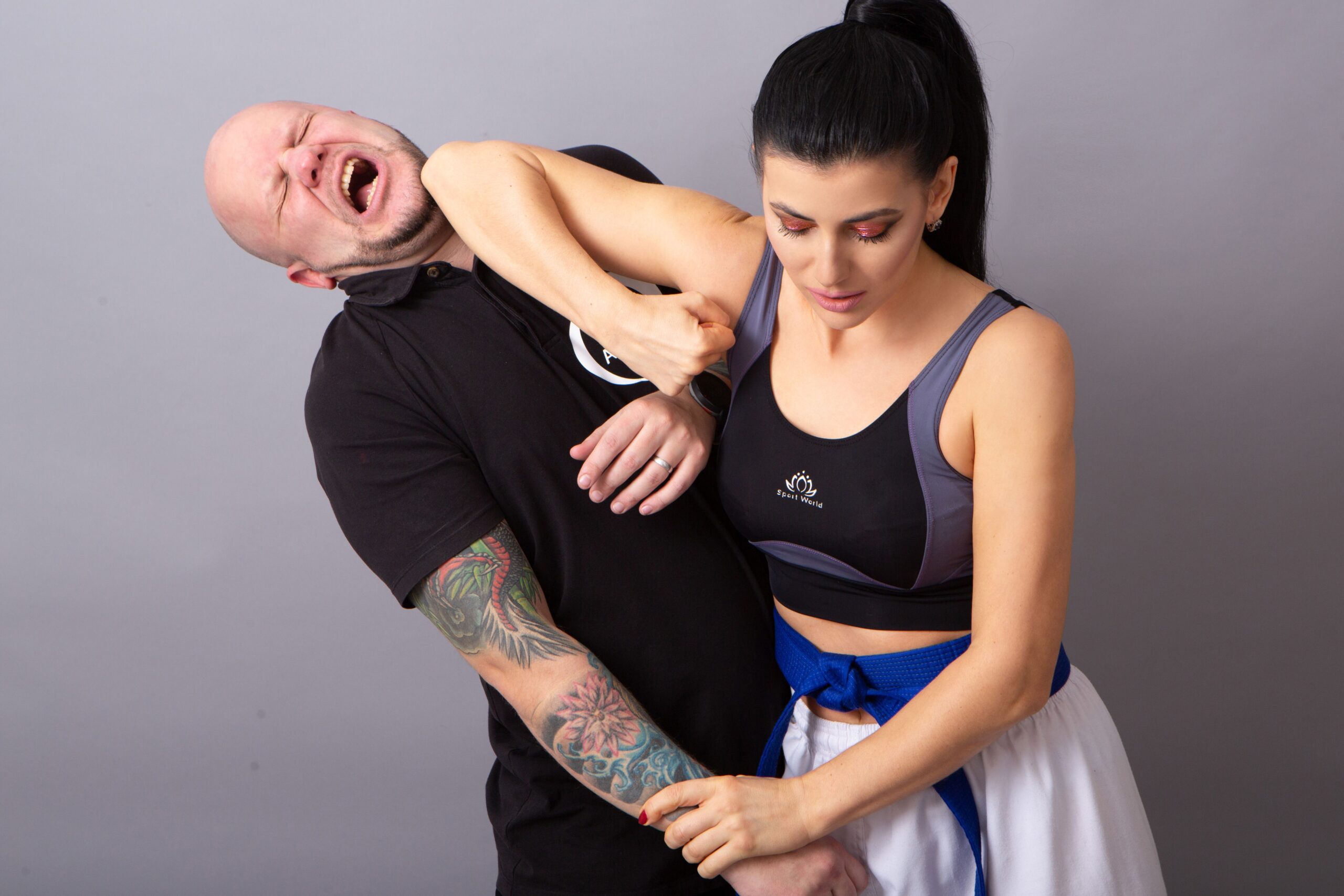
Pick a beginner-friendly class
No prior experience is required. If the first self-defense class is run properly, then you are expected to know nothing at all and let the class build upon your nonexistent knowledge base. A red flag is when a school is unable to describe exactly what their beginner's first lesson entails.
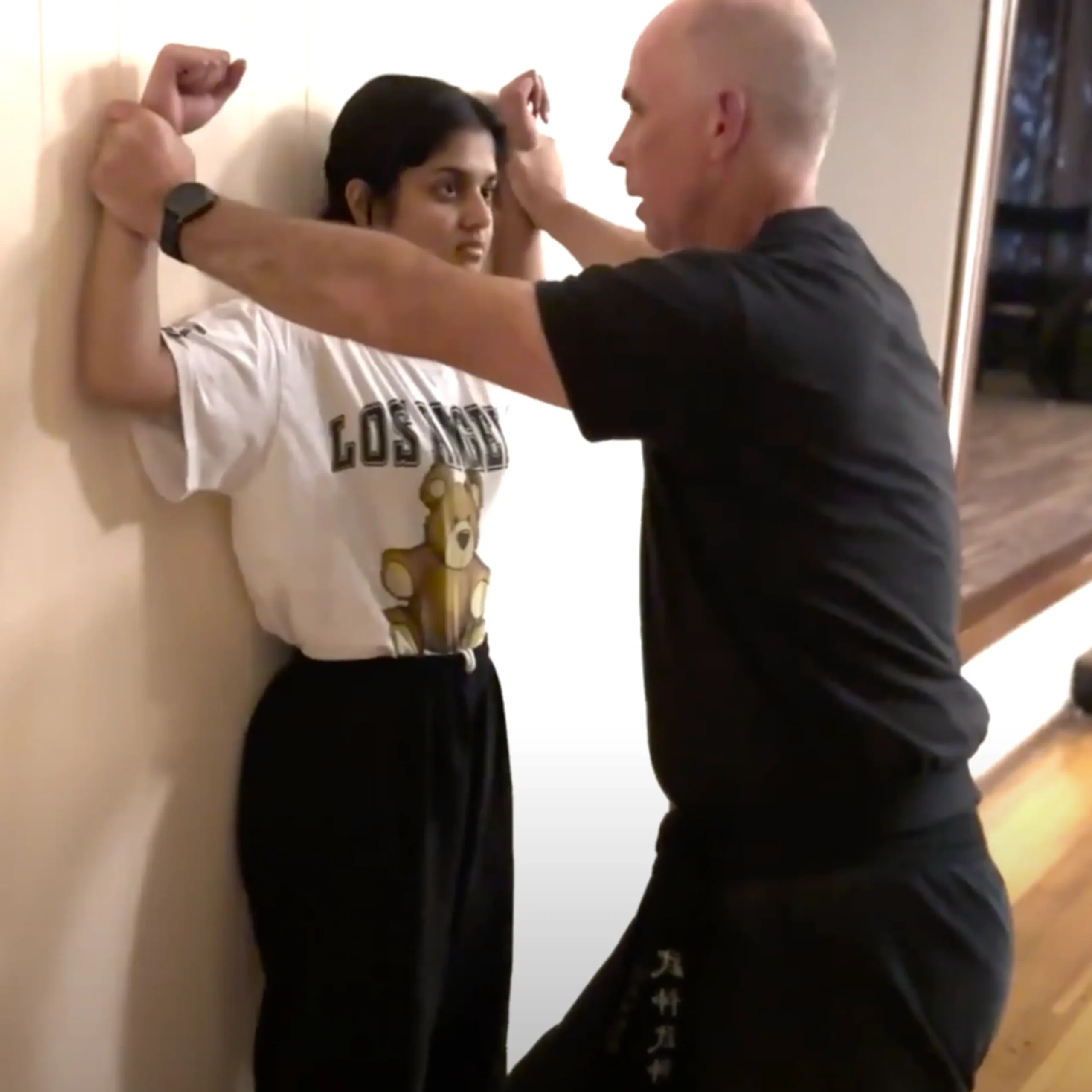
Show up to one class before committing
The best way to find out how to begin self-defense training is to simply get started. Most good academies will provide a taster class or free session prior to enrolment (we are no exception). This is a good indicator of a teacher's quality and class culture that you won't get from any teaching website.
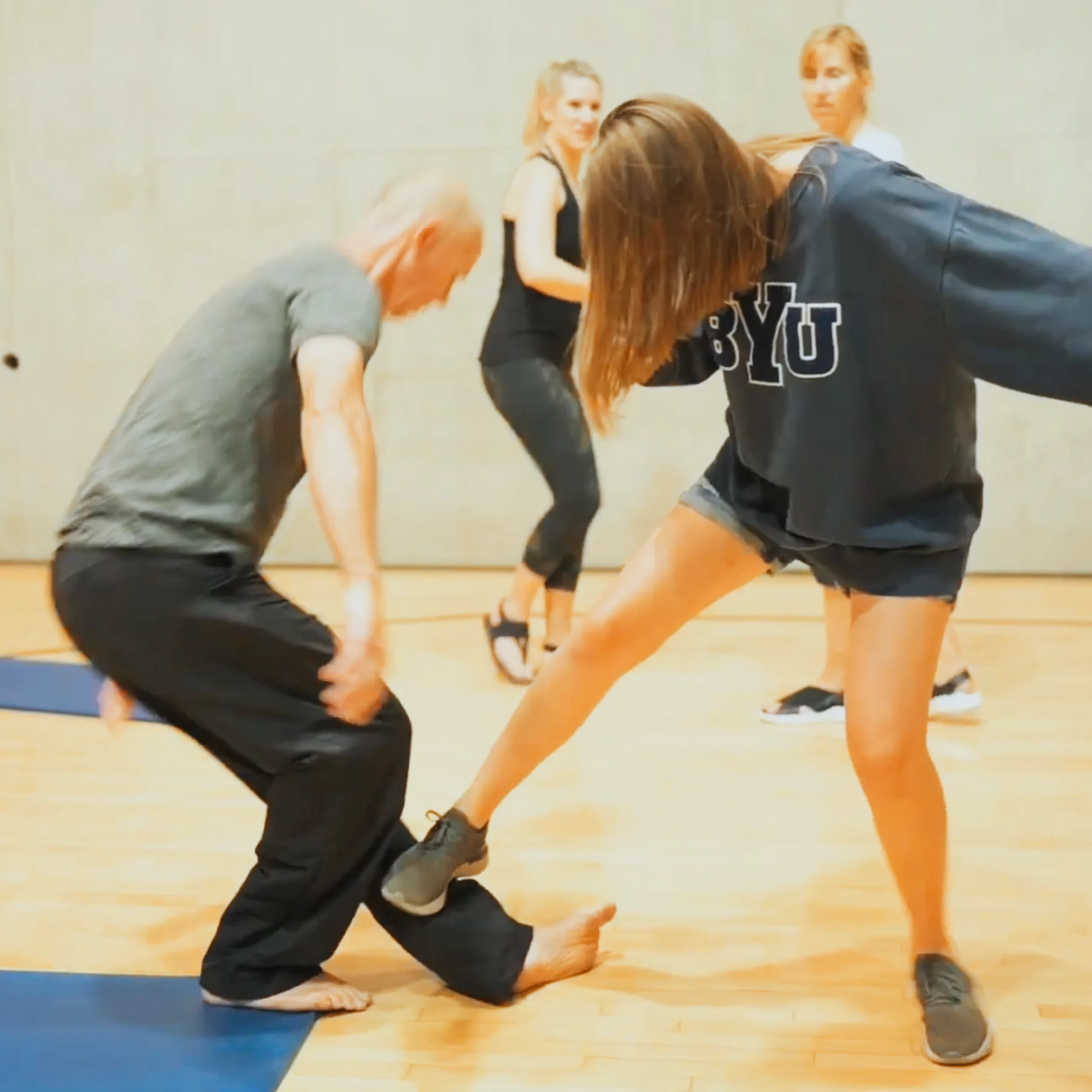
Train consistency over intensity
You don't need to train 5 days a week to develop true skill. Over the course of several months, with only two sessions a week, a person should learn to respond instinctively - it is the whole reason for self-defense.
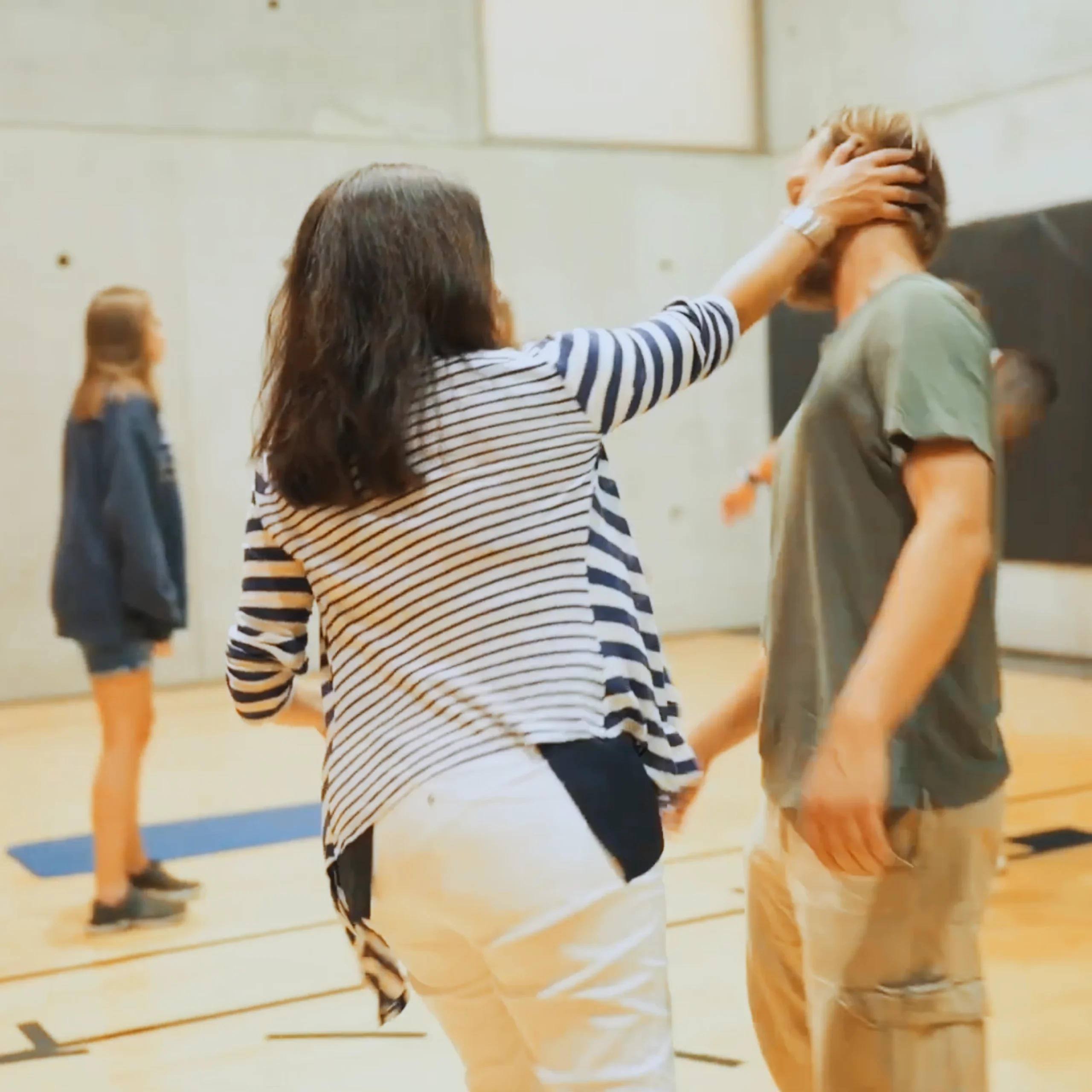
Layer in awareness, not just technique
No self defense training is of any use if you don't face its presence. A beginner's course that is good provides knowledge in situational awareness, boundaries setting and de-escalation skills in addition to the physical technique.
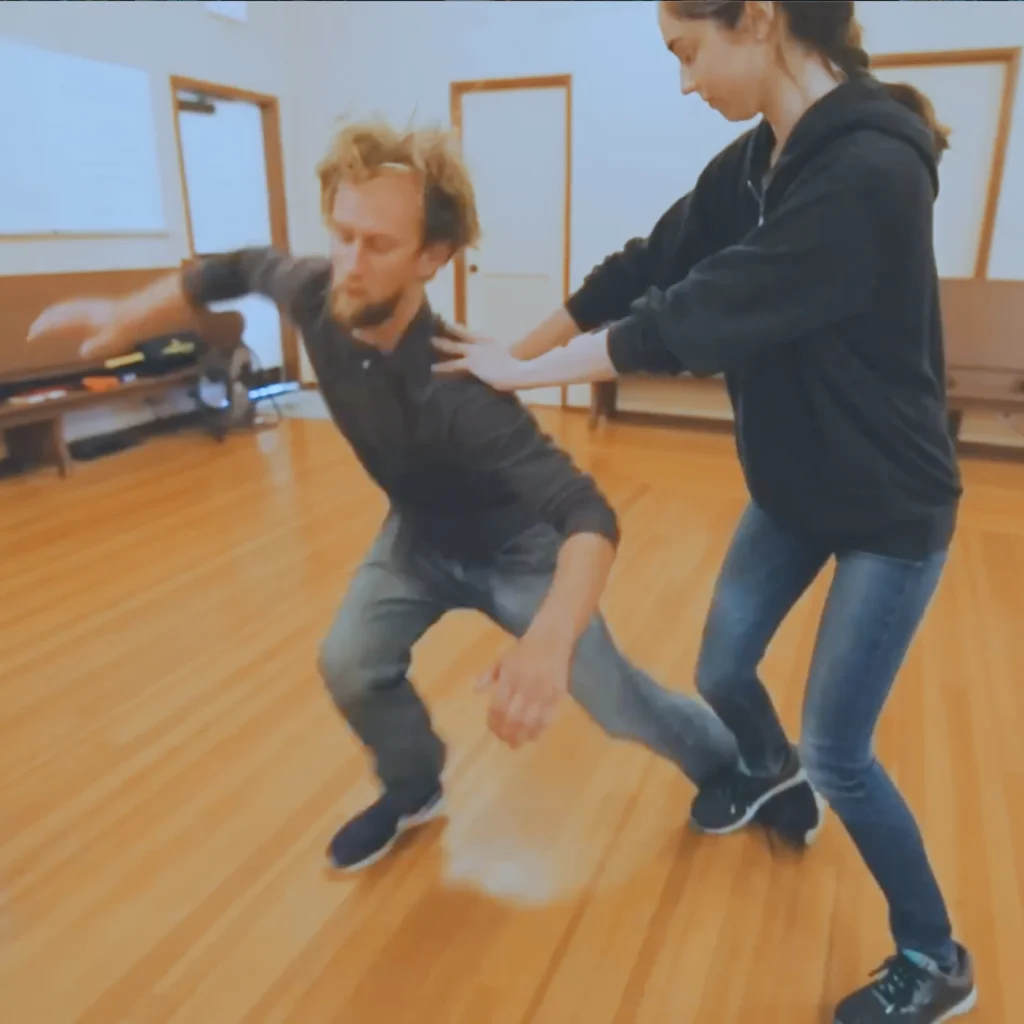
What Self-Defense Training Techniques Will You Actually Learn?
Common beginners self-defense skills are usually learnt in the following sequence:
- Active & avoidant – Read a situation and move away before it goes too far on
- Distance & timing – Controlling space so an attacker can’t close in easily
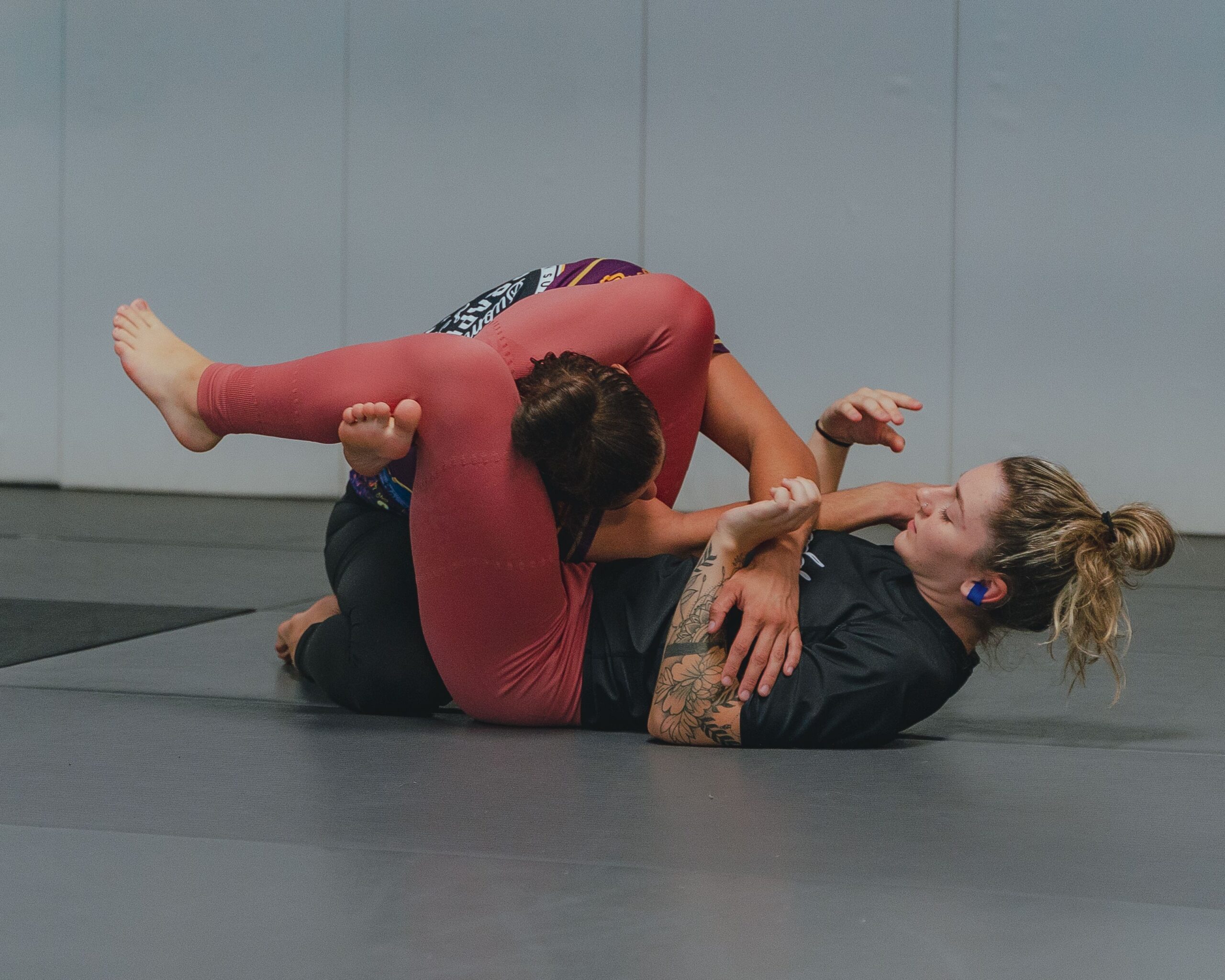
- Expulsions and escapes – Out of grabs, holds and pins
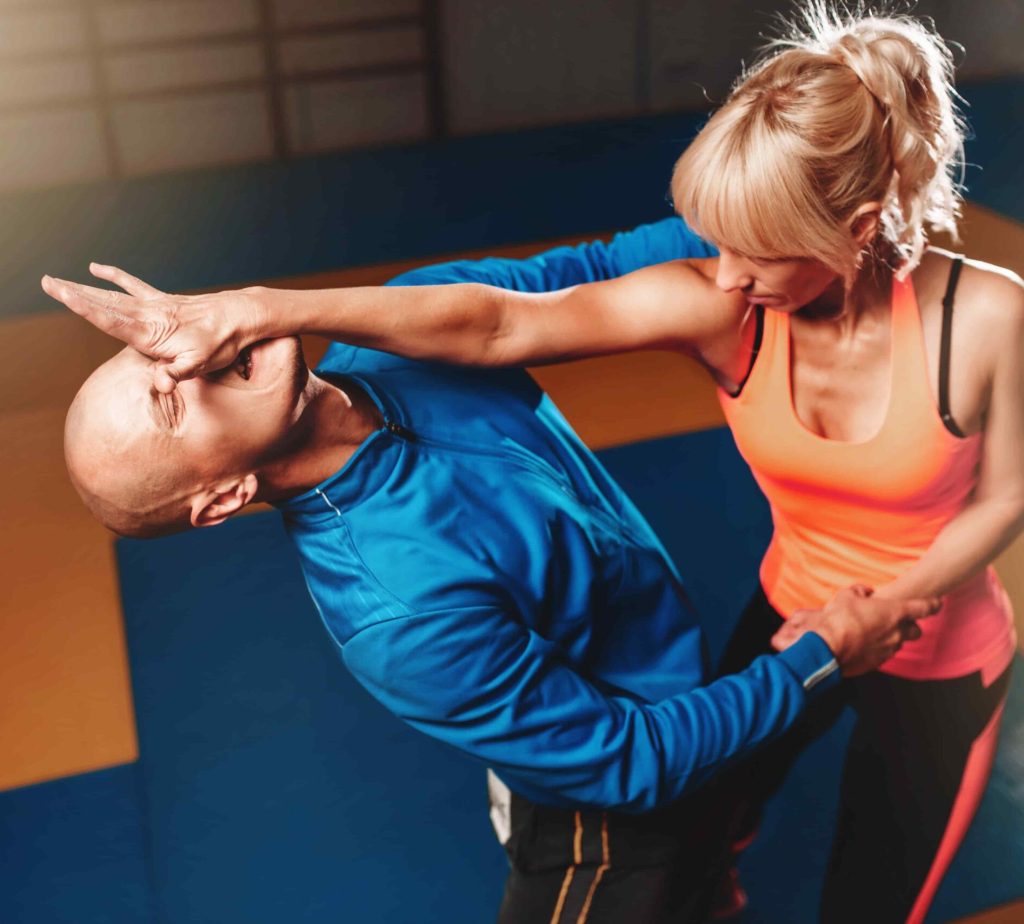
- Strikes that are effective no matter the size and strength – That go against the weak spots, not against the strongest
- Ground recovery – Maintaining safety and regaining your feet from a fall
- Scenario response – Practicing a realistic scenario, not choreographed sparring so you respond instinctively.
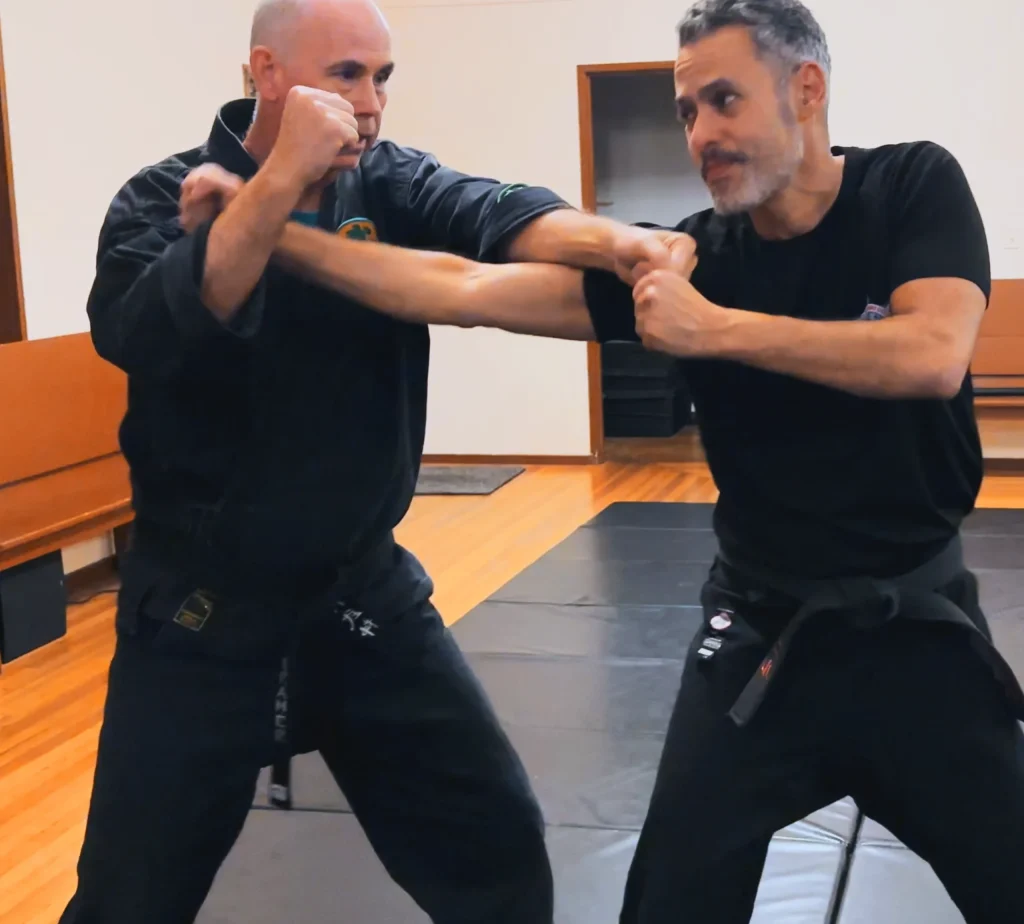
The tactic is also taught at Instinct Defense Academy, as part of a Japanese fighting discipline known as Bujinkan Budo Taijutsu, which teaches tactics based on timing, distance and redirecting an opponent’s energy; not its strength. Therefore, athletic ability and weight are not two prerequisites to achieving a position here.
What to Expect in Your First Self-Defense Class
Worried about taking a first class in self-defense? This is how things work:
- No experience assumed. You’ll learn the basic terminology, movement and the stance from a zero point with the help of the instructors.
- The warm up and mobility work to get your body ready – This is not a boo camp fitness test.
- A handful of essential techniques. Practiced slow and over and over until it happens
- Beginner level partner drills – Only, and at no time, when the drill is at a beginner speed – “prove” anything.
- Q&A time, as it makes as much sense to know why a technique works as well as the technique itself.
After the initial class, most students know that the hardest part of training was merely getting in the door.
Practical Self-Defense Training at Instinct Defense Academy
Since 1991 we have been teaching self-defense as a real world skill in the greater Portland area. We have various entry points that derive from where you’re starting from, rather than one generic class.
Adult Class
Our main beginner class for adults who have no prior experience. Emphasizes self defense and timing or control rather than sports competition.
Empower Her
Self Defense for Women & Teens, focusing on: Situational Awareness, Boundary Setting, and Real World Menaces Women Face Most.
Safe Kids Classes
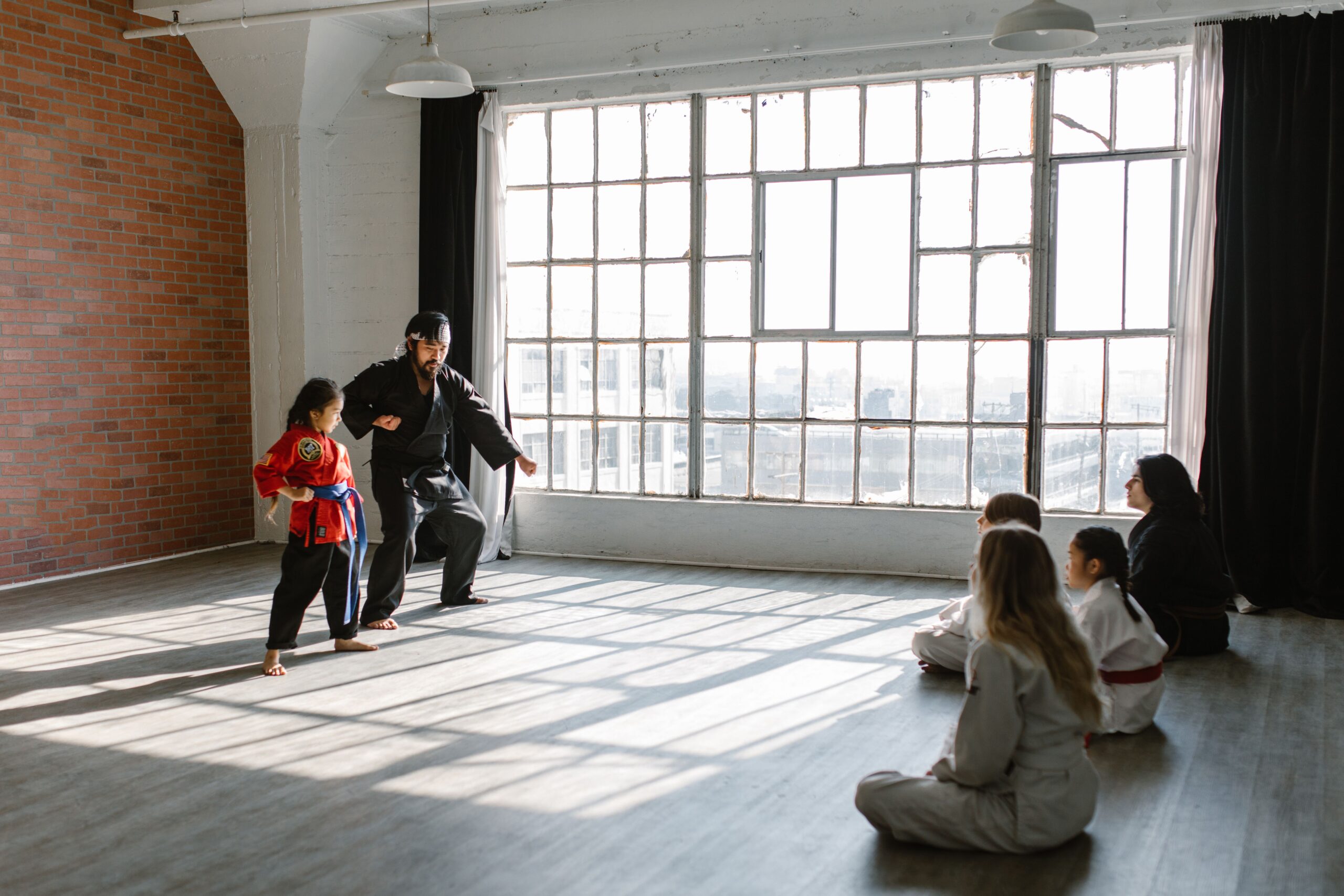
Suitable self-defence and discipline classes for children based around the theme of safety and confidence.
Online Training
Self-defense training recorded in live classes that can be begun at home, for beginners not close to Bethany or Portland.
Each and every program is instructed by the exact same staff team and adopts a hands-on, noncompetitive instructional style; no matter where you begin, you’re making real skills from the first day.
Why Beginners Choose Instinct Defense Academy
- 35+ years teaching in the Portland area – this isn’t a franchise formula, it’s a school with real history.
- There’s no need for previous experience – Our Beginners course takes you from scratch.
- Not sport-based. No points, no weight classes, no competition pressure – only training for real pressures.
- Courses for all ages – Children, adult learners, women-only classes, and high-level black belt training all in one place.
- Flexible formats – Train in person in Bethany or online anywhere.
Ready to Start Self-Defense Training?
Learning how to get into a martial arts class is the hardest part of learning to defend yourself. Secure your place in class and learn for yourself what exercise, practice and beginner's level self defense is all about.
Frequently Asked Questions
How do I start self-defense training as a complete beginner?
Decide on a program that is non-sport and is designed for beginners; go to a trial or first class, and then sign up long term. When first starting out, consistency is more important than intensity (two sessions a week).
What is the best self-defense training for beginners?
The best beginner training has zero references, uses timing/distance as a training basis instead of strength, and uses situational awareness as well as physical skills. Our Adult Class and Empower Her classes are targeted to first-time learners.
What self-defense training techniques will I learn as a beginner?
Beginners usually begin with awareness and avoidance, distance control, releases from grabs, basic strikes, and ground recovery, progress to scenario practice that is done in a realistic manner.
How can I learn self-defense quickly and effectively?
Quick, steady improvement is achieved from frequent short sessions (not periodic long ones) performed with a staunch instructor who corrects your form as you work, with repetition of scenarios not just individual motions.
What happens in a first self-defense class?
They will be given a warm up, a small block of the beginner skills are taught in a step-by-step manner, they will go through some warming up partner skills, and they will have room for questions. There is no prior knowledge or fitness level assumed.
Is self-defense training hard for someone with zero experience?
No. The real good childhood self-defence classes target those who have never taken any martial arts lessons before. Techniques are not to be learnt by strength or athleticism, so most pupils master the basic technique within their first few sessions.
What should I look for in self-defense classes for beginners near me?
Seek out a school that has a lot of experience and offers a trial class, and educate and discuss the rationale behind every self-defense technique, not just perform it.
What makes practical self-defense training different from sport martial arts?
The principles of sport martial arts include the rules, weight categories and tournament. That's not what a practical self defense course teaches, it's designed to deal with encounters that occur in real life that are unpredictable and the only thing you are trying to accomplish is simply to get home safely.